4 Reasons New Year’s Resolutions Fail

“New Year, New You!”
It’s hard to start the year without being inundated with messages of how to improve yourself. There is nothing wrong with self-reflection and setting goals for yourself, but there is a reason that new year’s resolutions often fail.
(Data varies, but a quick google search shows that a lot of folks struggle to complete them).
Why are they so hard to put into practice if the desire for change is there?
1.The “Why”
The start of the new year is a collective opportunity to reflect on the past year and any changes you’d like to make, but it can also create pressure to make said changes.
This pressure might come from hearing everyone else setting resolutions or from the many programs being thrown at you this time of year. From 30-day fitness challenges to discounted “nutrition” programs to promises of being your best self, the message is clear that there is something that you need to change and now is the time to do it.
But the motivation for a change impacts our ability to put it into practice and how we feel both about it and ourselves. Is it coming from a place of shame? A case of the “shoulds”? Is it motivated by self-love and the desire for growth?
Despite what reality TV might suggest, you can’t bully or shame yourself into happy, sustained change.
2. Too Much Too Soon
These goals often go HARD. Why ease into exercise with gentle movement when you could do a 30-day daily burpee challenge instead?
You might know someone whose life went through the 30-second movie montage of change, and that’s great for them. However, the majority of the population creates/changes habits through small goals at a sustainable pace. It’s not glamorous, it doesn’t sell programs, but it works.
Smaller goals also allow us to feel accomplished and have “wins” before the end goal. Want to learn how to meditate for 30 minutes? Wonderful! If you’re brand new to it, start with 30 seconds and grow from there, or even consider learning more about it first.
3. Vague Outcomes
Let’s say someone sets the goal to save money. Is that to save for a trip? Pay off debt? Invest in retirement? Get that new game that’s coming out?
If you don’t know what you are working towards, it’s hard to connect to the pride or satisfaction of the outcome or reward. Creating a sense of cause and effect can help keep you on track.
For example: “I can get takeout coffee again today, but that’s going to pull funds away from that new couch I wanted.” or “Taking a break from work with a quick walk will help keep my stress down, which lines up with my goal of being more present with the kids when I get home.”
4. “Best” is Fluid
Sometimes your best self is exercising three times a week, going to bed at a reasonable time, and tending to your relationships. Other times your best involves getting out of bed and brushing your teeth. “Best” doesn’t mean sustaining what you are capable of when everything is going well. It means doing what you’re capable of when things are hard or less than ideal. That permission to adapt to circumstances makes it more likely to stick to a goal or come back to it when you are ready.
Let’s say you set the goal to journal every day and then your whole household gets sick two weeks in. Journalling to tick a box isn’t really meeting your goal and taking a break from it is not failing it. You can be sad your plan got interrupted, recognize that this challenge maybe didn’t factor in life happening, allow yourself to rest, re-evaluate the particulars of the goal, and think of a realistic re-entry point whenever you are ready.
Go Rogue
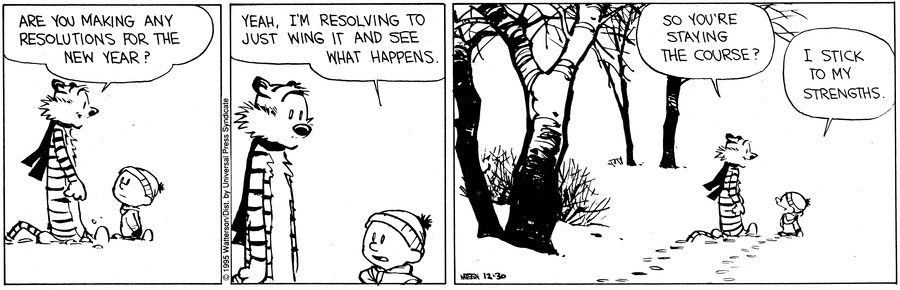
For the record? It’s totally fine not to have any resolutions at all. The new year does not have a monopoly on start times for change. Whether you set a goal right now or not doesn’t determine how the rest of your year will go.