Intuitive Eating 101: Finding an Alternative to Diet Culture
Written By:
Heather Soman, RD, Certified Intuitive Eating Counsellor and Founder of
When it comes to food and our bodies, many people feel stuck between two extremes: on a diet or not on a diet. But what if there was a third option—one that focused not on restriction or rules, but on trust and self-care?
That’s where Intuitive Eating comes in.
What Is Intuitive Eating?
Intuitive Eating is an evidence-based approach to eating that focuses on self-care rather than external rules or weight goals. Created in 1995 by two Registered Dietitians, Evelyn Tribole and Elyse Resch, it’s guided by 10 interconnected principles that help you reconnect with your body’s natural signals and rebuild a healthy relationship with food.
The goal isn’t to eat “perfectly” or to control your body—it’s to eat and move in ways that honor your physical needs, respect your mental health, and support your overall wellbeing.
Why Try Intuitive Eating?
Many people come to find intuitive eating when they start saying:
“I’ve tried everything and nothing works.”
“I’ve done so many diets, I don’t even know how to eat anymore!”
That’s often the result of chronic dieting. Years of following rigid rules can disconnect you from your body’s cues and create feelings of guilt, shame, or confusion around food.
Intuitive Eating helps you reconnect. It teaches you how to:
Recognize hunger and fullness again
Nourish your body with balanced nutrition and enjoyable movement
Retrain your brain from years of diet culture messaging
Cope with emotions in ways that don’t involve food restriction or overeating
In short, it helps you find peace with food—and with yourself.
How Intuitive Eating Challenges Diet Culture
We live in a world that constantly tells us that health equals thinness, which couldn't be further from the truth. Social media and advertising bombard us with messages about the “right” body type, the “cleanest” diet, or the “best” plan for weight loss.
But here’s what we know: health is multifaceted. It’s influenced by far more than what’s on your plate or what your body looks like. Your mental wellbeing, stress levels, sleep, access to resources, and social supports—also known as the social determinants of health—all play huge roles in overall wellness.
Focusing solely on weight or appearance not only overlooks these factors but can actually harm your relationship with food and your body.
Intuitive Eating offers a weight-neutral alternative. It neither celebrates nor shames weight changes—it views weight as neutral. The focus shifts from “How do I control my body?” to “How can I care for my body?”
What the Research Says
Intuitive Eating has been linked with numerous physical and psychological benefits, including:
Improved diet quality¹
Better glycemic control in people with type 2 diabetes²
Higher fruit and vegetable intake³
Reduced disordered eating behaviors⁴
Improved blood pressure and lipid levels⁶
While individual results vary, the consistent theme is this: when we care for our bodies with respect and trust, rather than punishment or control, we tend to feel and function better.
Can You Lose Weight with Intuitive Eating?
This is one of the most common questions I hear—and it doesn’t have a simple yes or no answer.
Intuitive Eating is not a weight-loss program. It’s a process of rebuilding body trust and caring for yourself without using weight as the measure of success. Some people’s bodies change when they start eating intuitively; others’ don’t. That’s because your body will naturally seek the weight range it’s genetically meant to maintain—a place of homeostasis.
The key is to shift the focus from what happens to your body to how you feel in your body.
To lean more about this, check out my blog post: Will Intuitive Eating Help Me Lose Weight? and this Episode of the Behind the Plate Podcast
How Intuitive Eating Shifts Your Mindset with Food
One of the most powerful parts of Intuitive Eating is how it transforms your mindset and relationship with food. Rather than seeing food through a lens of “good” or “bad,” “clean” or “junk,” individuals learn to view all foods as morally neutral and capable of fitting into a balanced, satisfying way of eating.
As people move away from rigid diet rules, they often notice a sense of mental freedom. The constant food-related thoughts—counting, planning, worrying, or feeling guilty—begin to quiet down. Eating becomes less about control and more about connection: tuning in to hunger and fullness cues; honoring cravings without judgment; and trusting the body’s ability to guide food choices.
This mindset shift creates space for more meaningful aspects of life—joy, creativity, relationships, and self-care. When food is no longer a source of stress or shame, it becomes simply one part of living well, not the center of it.
Final Thoughts
If we didn’t live in a culture obsessed with dieting, Intuitive Eating wouldn’t need to exist—it would simply be eating. But until that day comes, this framework offers a compassionate, research-backed way to come home to your body.
If you’ve ever wondered whether there’s another option beyond dieting or “not caring,” know that there is. And it starts with listening to yourself.
About the Author
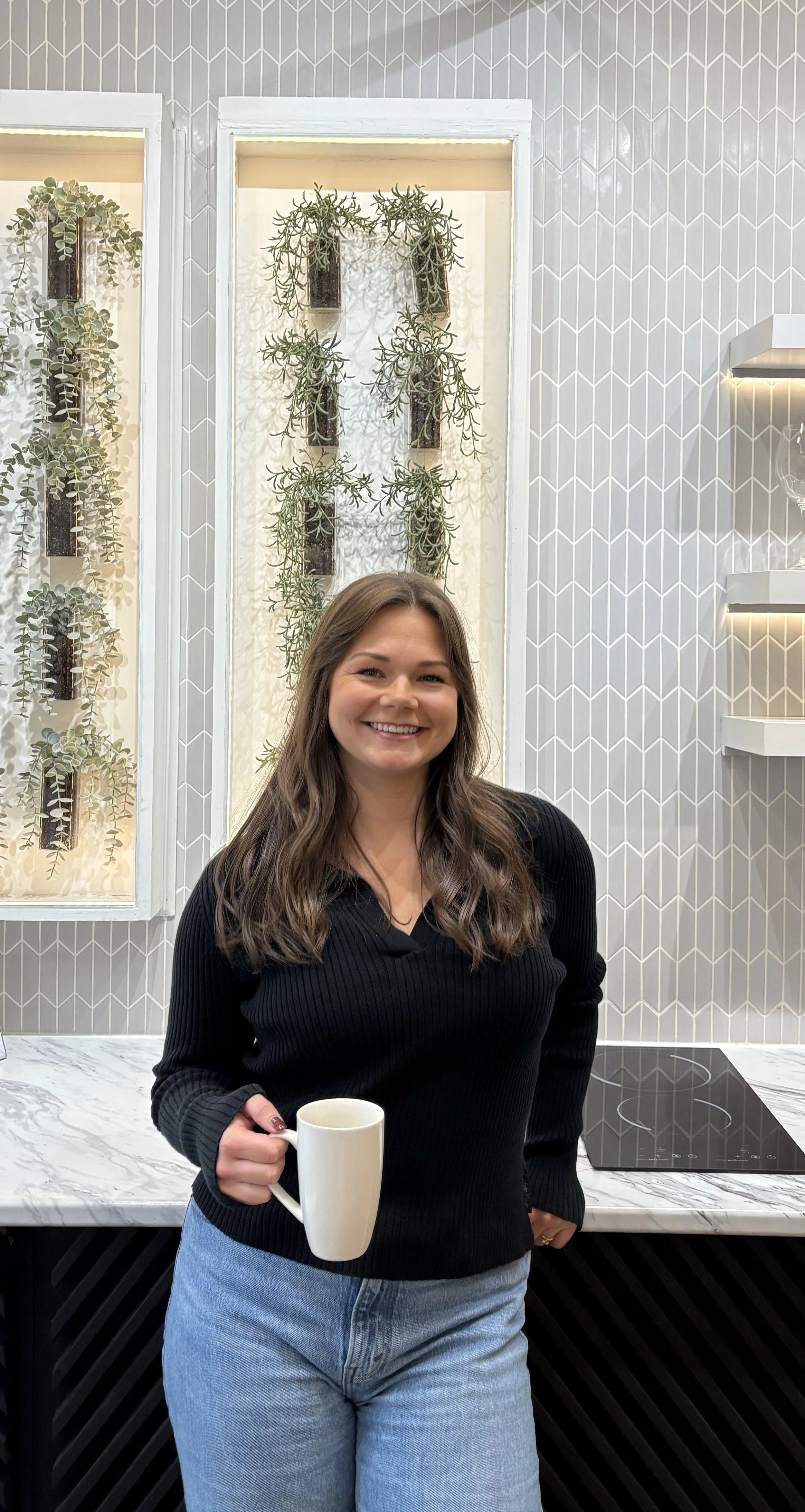
Heather Soman (she/her) is a Registered Dietitian and Certified Intuitive Eating Counselor specializing in helping individuals rebuild healthy relationships with food and their bodies. Using an evidence-based, weight-neutral approach, she supports clients in developing sustainable eating practices that honor both physical and psychological wellbeing.
She provides virtual nutrition counselling to clients across Ontario, New Brunswick, and Nova Scotia, Canada.
To learn more about her services and approach, visit behindtheplate.ca
References:
Van Dyke N, Drinkwater EJ. Relationships between intuitive eating and health indicators: literature review. Public Health Nutr. 2014.
Boucher et al. Intuitive eating, diet quality and glycemic control in adults with type 2 diabetes. Can J Diabetes. 2020.
Camilleri et al. Intuitive eating and diet quality in adults: findings from a large population-based sample. Appetite. 2016.
Bruce LJ, Ricciardelli LA. A systematic review of the psychosocial correlates of intuitive eating. Appetite. 2016.
Tylka TL, Kroon Van Diest AM. The Intuitive Eating Scale–2: Item refinement and psychometric evaluation. J Couns Psychol. 2013.